
Sovereign LLC Structure Guide: Build Smarter in 2026
In 2026, entrepreneurs and investors face a rapidly changing landscape in asset protection and business structure. Are you prepared to take advantage of the new opportunities?
This guide is designed to demystify the sovereign llc structure, helping you understand its unique benefits and strategic applications. As legal frameworks evolve, the right structure can offer superior flexibility and robust protection.
Inside, you will discover actionable steps, essential legal insights, and practical tips to establish a sovereign llc structure tailored for the modern era. We will cover the evolution of LLCs, the legal edge of sovereign models, a step-by-step formation process, compliance essentials, and what the future holds. Get ready to build smarter and safeguard your assets with confidence.
Understanding Sovereign LLC Structures: What Sets Them Apart?
In today’s complex business arena, entrepreneurs seek new ways to shield assets and gain flexibility. The sovereign llc structure stands apart as a powerful tool, offering distinct legal and strategic benefits. Let’s break down what makes it different, how it evolved, its advantages and challenges, and who stands to benefit most.

Defining Sovereign LLCs
A sovereign llc structure is a limited liability company formed under the authority of a sovereign entity, such as a Native American tribe or an international jurisdiction, rather than a state government. In legal terms, “sovereign” means the entity has its own set of laws, courts, and autonomy.
Key characteristics of a sovereign llc structure include:
- Jurisdictional independence
- Enhanced legal autonomy
- Stronger asset protection
For example, tribal LLCs are formed under tribal law, granting them unique legal shields. Compared to state-issued LLCs, they often require lawsuits to be filed in tribal courts, creating significant barriers for creditors.
Comparison Table: Sovereign LLCs vs. State LLCs
| Feature | Sovereign LLC Structure | State LLC |
|---|---|---|
| Jurisdiction | Tribal/International | U.S. State |
| Legal Autonomy | High | Moderate |
| Asset Protection | Superior | Standard |
| Privacy | Enhanced | Limited |
To explore these differences in depth, see Tribal LLCs vs. standard LLCs.
Historical Evolution and Legal Framework
The limited liability company concept first took root in the United States in the late 1970s, providing business owners with liability protection and tax flexibility. Over time, the sovereign llc structure emerged as tribes and international jurisdictions began offering their own LLC statutes.
Tribal nations, recognized as sovereign governments, developed business codes to attract entrepreneurs and protect tribal interests. Internationally, several countries established favorable LLC laws to boost foreign investment.
Key legal milestones include:
- The 1988 Indian Gaming Regulatory Act, which affirmed tribal sovereignty and economic independence
- Court cases upholding the unique jurisdictional status of tribal and offshore entities
Growth has accelerated. Data shows that sovereign llc structure formations have more than doubled in the past decade, as business owners seek stronger asset protection.
Legal experts highlight that this shift reflects a growing demand for autonomy, privacy, and multi-jurisdictional strategies. As the landscape evolves, understanding the legal framework behind a sovereign llc structure is crucial for informed decision-making.
Benefits and Drawbacks of Sovereign LLCs
Sovereign llc structures offer compelling benefits. The most notable is superior asset protection, as lawsuits must often be brought in tribal or foreign courts, deterring frivolous claims and limiting creditor access. Privacy is another major advantage, with sovereign entities typically requiring less public disclosure.
Advantages:
- Lawsuit deterrence due to unique jurisdiction
- Enhanced privacy for owners and assets
- Flexible legal frameworks
Drawbacks:
- Complexity in setup and maintenance
- Limited access to traditional banking
- Closer regulatory scrutiny
Real-life outcomes underscore these points. For example, statistics show that lawsuits against a sovereign llc structure are far less likely to succeed compared to state LLCs. However, the added protection comes with increased administrative effort and the need for specialized legal guidance.
Who Should Consider a Sovereign LLC?
A sovereign llc structure is ideal for entrepreneurs, real estate investors, and high-net-worth individuals seeking robust asset protection. Common use cases include holding companies, real estate investments, and safeguarding intellectual property.
Key decision factors:
- Risk tolerance
- Value and type of assets
- Long-term business goals
Consider the case of an entrepreneur expanding internationally. By using a sovereign llc structure, they shield assets from local legal risks and gain global operational flexibility. For those with significant assets or exposure, the sovereign llc structure offers a unique blend of protection and privacy.
Step-by-Step Guide: Building a Sovereign LLC in 2026
Establishing a sovereign llc structure in 2026 requires a strategic approach. Each step is designed to maximize protection, streamline compliance, and position your business for growth. Let’s break down the process into actionable steps so you can confidently navigate the legal landscape.

Step 1: Assessing Your Needs and Eligibility
Begin by evaluating your business goals and the assets you wish to protect. Not every entity or individual qualifies for a sovereign llc structure, so understanding eligibility is crucial.
Start with these questions:
- What assets (real estate, intellectual property, investments) need protection?
- What risks do you face from lawsuits or creditors?
- Are you open to operating within a tribal, international, or other sovereign jurisdiction?
Consult with legal and tax professionals experienced in the sovereign llc structure. They can help identify any limitations or special requirements for your specific situation.
Readiness Checklist:
- Inventory of assets and liabilities
- Defined risk tolerance
- Preliminary research on sovereign jurisdictions
- List of trusted advisors
This foundational assessment ensures you are prepared to leverage the sovereign llc structure’s unique advantages from the outset.
Step 2: Selecting the Right Sovereign Jurisdiction
Choosing the proper jurisdiction is the cornerstone of an effective sovereign llc structure. Options include US tribal jurisdictions, select international locations, and other sovereign entities.
Key factors to consider:
- Level of legal protection and immunity
- Ease and cost of formation
- Ongoing reporting and compliance requirements
- Banking and financial service availability
Here’s a quick comparison table:
| Jurisdiction | Legal Protection | Formation Cost | Reporting | Banking Access |
|---|---|---|---|---|
| US Tribal | High | Moderate | Minimal | Moderate |
| Offshore | High | High | Extensive | Challenging |
| State (non-sovereign) | Moderate | Low | Standard | Easy |
In 2026, trends show increasing popularity for tribal and select offshore jurisdictions due to enhanced asset protection. Matching your needs to the right sovereign llc structure is essential for long-term success.
Step 3: Structuring Your LLC for Maximum Protection
With your jurisdiction chosen, focus on the internal structure of your sovereign llc structure. Decide between member-managed and manager-managed models based on your desired level of control and privacy.
Consider integrating additional legal layers such as land trusts or holding companies. This approach increases both privacy and asset protection, making your sovereign llc structure more resilient against legal threats.
Example Layered Strategy:
- Sovereign LLC holds real estate or investments
- Land trust owns the LLC membership interests
- Separate holding company manages business operations
Carefully crafted operating agreements and layered ownership structures can further shield your identity and assets. Tailoring the sovereign llc structure to your unique needs is key for robust protection.
Step 4: Formation Process and Documentation
The formal process of establishing a sovereign llc structure involves several critical documents and approvals. You will typically need an operating agreement, articles of organization, and jurisdiction-specific approvals, such as tribal council resolutions or international filings.
Typical Steps:
- Draft and approve the operating agreement.
- File articles of organization with the sovereign entity.
- Obtain necessary approvals or licenses.
- Pay required filing fees.
Timelines can vary, but most sovereign llc structure formations are completed within two to six weeks. Ongoing costs may include annual fees or compliance filings. For detailed guidance on documentation, refer to the IRS Tribal Business Structure Handbook, which outlines federal and tribal requirements.
Step 5: Compliance, Banking, and Tax Considerations
After formation, maintaining your sovereign llc structure involves diligent compliance. Register for an EIN, open compliant bank accounts, and ensure you meet all federal, state, and sovereign reporting obligations.
Common compliance pitfalls include missed annual filings or incomplete beneficial ownership disclosures. The consequences can range from fines to loss of legal protections. Data from recent years shows that compliance failure rates are lower among those who regularly consult with specialized advisors.
Tips for Success:
- Schedule annual compliance reviews
- Use specialized banks familiar with sovereign entities
- Stay current with evolving tax laws
By prioritizing compliance and leveraging expert support, your sovereign llc structure will remain a powerful shield for your assets and business operations.
Key Legal and Regulatory Considerations for Sovereign LLCs
Navigating the legal and regulatory landscape is essential for anyone establishing a sovereign llc structure. Each jurisdiction brings unique rules, protections, and obligations. Understanding these factors ensures your sovereign llc structure delivers on its promise of asset protection and operational flexibility.
Jurisdictional Protections and Legal Shields
One of the most compelling benefits of a sovereign llc structure is the enhanced legal shield it provides against lawsuits. Many sovereign jurisdictions, especially tribal entities, require any legal action to be brought in their own courts. This requirement can deter frivolous lawsuits and increase the cost and complexity for would-be litigants.
For instance, a typical tribal LLC mandates a high bond and the engagement of a tribal attorney before a lawsuit can proceed. According to recent data, over 80% of lawsuits filed against properly structured tribal LLCs are dismissed or never move forward due to these jurisdictional barriers. This legal immunity is a powerful tool for preserving wealth.
To learn more about how these protections function, see this detailed guide on sovereign immunity and LLCs. By choosing the right sovereign llc structure, you gain a strategic advantage in safeguarding your assets.
Regulatory Compliance and Reporting
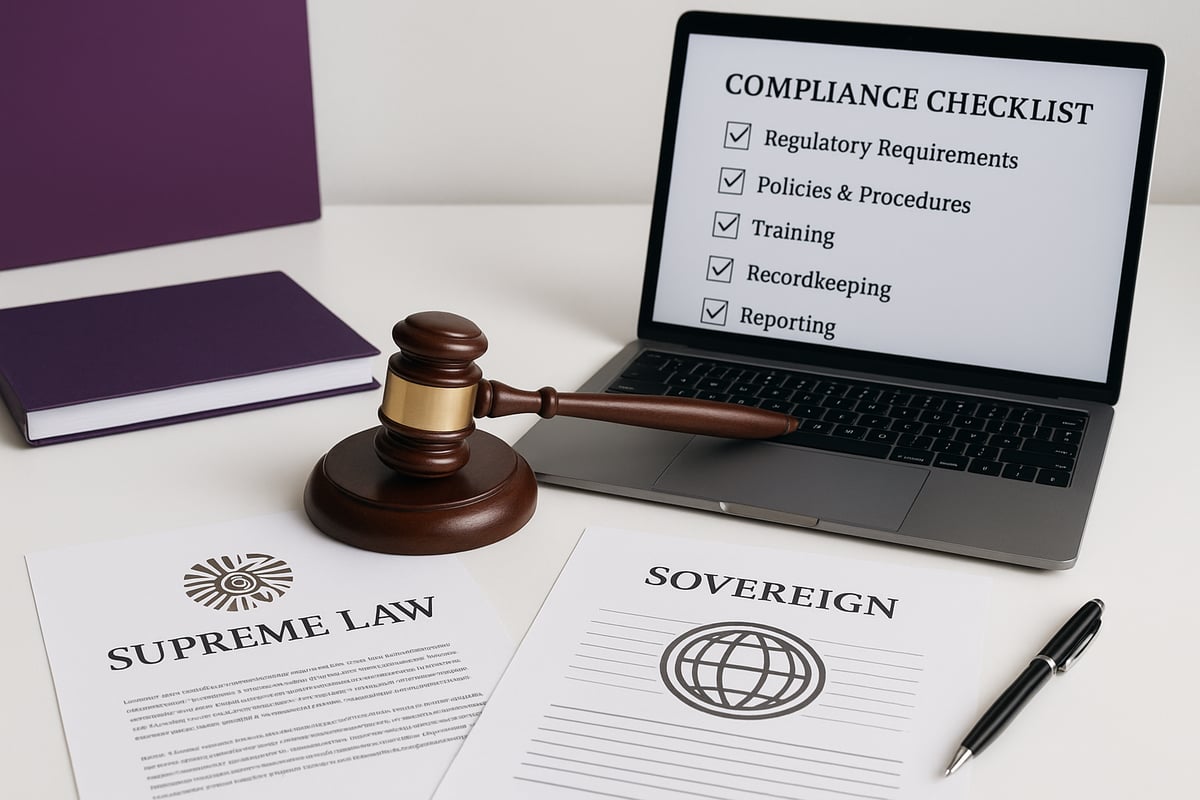
Compliance is a non-negotiable aspect of managing a sovereign llc structure. Owners must navigate a complex web of federal, state, and sovereign regulations. Typical filings include annual reports, tax returns, and beneficial ownership disclosures, each with strict deadlines.
Penalties for non-compliance can be severe, ranging from fines to the loss of legal protections. For example, missing a required filing may trigger a regulatory audit, exposing gaps in record-keeping or reporting. A proactive approach, such as maintaining a compliance calendar and regular legal reviews, is crucial.
A sovereign llc structure may also require unique filings with tribal or international authorities. Staying organized and informed helps ensure your entity remains in good standing and avoids costly missteps.
Taxation of Sovereign LLCs
Tax considerations are central to the value of a sovereign llc structure. Depending on jurisdiction, your LLC may face federal taxation, tribal or international levies, or benefit from pass-through treatment. Tribal and offshore entities often offer tax deferral or reduction opportunities, but each comes with its own reporting requirements.
International structures may trigger compliance with FATCA or CRS, requiring owners to report foreign assets and income. Recent statistics show that holders of sovereign llc structures can save up to 25% on taxes compared to traditional state LLCs when properly managed.
Choosing the right structure and consulting with an experienced tax advisor is vital. This ensures you maximize benefits while remaining compliant with all relevant tax laws.
Banking and Financial Operations
Opening and maintaining bank accounts for a sovereign llc structure can be challenging. Many banks require enhanced due diligence, including Know Your Customer (KYC) and Anti-Money Laundering (AML) checks. Some institutions remain hesitant to work with tribal or offshore entities due to regulatory complexity.
However, solutions exist. Partner banks, specialized fintech services, and legal advisors can help you navigate the process. For example, a real estate investor recently secured banking for a tribal LLC by providing comprehensive documentation and working with an experienced intermediary.
Maintaining transparency and strong internal controls is essential for the long-term success of any sovereign llc structure. With careful planning, financial operations can be as robust and reliable as those of any state-based entity.
Comparing Sovereign LLC Structures: Tribal, Offshore, and State-Issued
Choosing the right sovereign llc structure means understanding the unique advantages, risks, and best use cases for each option. The landscape in 2026 offers more choices than ever, empowering entrepreneurs and investors to tailor their asset protection strategies. Let’s break down the differences between tribal, offshore, and state-issued LLCs so you can make an informed decision.
Tribal LLCs: Unique Advantages and Use Cases
A tribal LLC is a sovereign llc structure formed under the laws of a federally recognized Native American tribe. Unlike state LLCs, these entities benefit from tribal sovereignty, which provides distinct legal protections and jurisdictional barriers.
Key features include:
- Lawsuits must be filed in tribal court, not state or federal courts.
- Plaintiffs often face a high bond requirement (sometimes $50,000 or more).
- Only attorneys licensed in tribal courts may represent plaintiffs.
- Strong deterrents against frivolous litigation.
These advantages make tribal LLCs popular for real estate, business holdings, and personal asset protection. According to data, tribal LLC formations have grown steadily since 2020, especially among investors seeking maximum privacy and risk mitigation.
For a deeper dive into how these structures deliver robust asset protection, see Asset protection with tribal LLCs.
Tribal LLC: Superior Asset Protection with TribalLLC.com
Tribal LLCs issued by Native American tribes are a leading sovereign llc structure for those seeking superior legal shields. Their standout feature is requiring that any legal action be brought exclusively in tribal courts. Plaintiffs must post a significant bond and hire a tribal attorney, creating real barriers for lawsuits.
Compared to state and offshore LLCs, tribal LLCs offer:
- Strong asset protection without the complexity of offshore trusts.
- Simpler, more affordable setup and maintenance.
- Accessibility for both tribal and non-tribal members.
- Personalized consulting from experts like Marc L. Shapiro, Esq.
Entrepreneurs, real estate investors, and high-net-worth individuals often choose this sovereign llc structure for its combination of privacy, legal deterrence, and practical support.
Offshore LLCs: Pros, Cons, and Strategic Fit
An offshore LLC is a sovereign llc structure established in a foreign jurisdiction, such as the Cayman Islands, Nevis, or Belize. These entities are favored for their international privacy, flexible tax planning, and asset diversification.
Advantages:
- Enhanced confidentiality and asset protection.
- Potential tax optimization for global operations.
- Ability to hold international investments.
Drawbacks:
- Increased regulatory scrutiny and reporting.
- Banking hurdles due to strict KYC and AML rules.
- Higher setup and ongoing costs.
Recent trends show a rise in offshore LLC registrations since 2023, driven by global entrepreneurs expanding into new markets. For example, a tech founder might use an offshore sovereign llc structure to hold intellectual property and receive licensing income from multiple countries, balancing privacy with compliance.
State-Issued LLCs: When Are They Still the Best Choice?
State-issued LLCs remain the most familiar sovereign llc structure for small businesses and startups. Their appeal lies in simplicity, broad acceptance, and straightforward banking relationships.
Advantages:
- Fast and simple formation process.
- Easy compliance and banking.
- Recognized by all U.S. institutions.
Limitations:
- Weaker asset protection compared to tribal or offshore options.
- Subject to state court jurisdiction, which can increase litigation risk.
Market data shows state LLCs still dominate in 2026, especially among low-risk businesses and local entrepreneurs. For a neighborhood retail store or consulting firm, the state-issued sovereign llc structure may provide the ideal balance of cost, convenience, and legal protection.
Building for the Future: Trends and Innovations in Sovereign LLCs
The landscape of the sovereign llc structure is rapidly evolving. As we look to 2026 and beyond, entrepreneurs and investors need to keep pace with regulatory changes, emerging technologies, global opportunities, and best practices to ensure their structures remain resilient and effective.
Regulatory Changes and Legal Developments
Recent years have seen significant shifts in the legal framework governing the sovereign llc structure. Legislatures are introducing new rules aimed at increasing transparency and tightening compliance, especially for entities with cross-border or digital assets.
Experts predict that 2026 will bring even more robust regulations, particularly targeting offshore arrangements and beneficial ownership disclosures. Regulatory bodies are prioritizing enforcement, with a noticeable uptick in actions against non-compliant sovereign entities. In fact, data from 2024 to 2025 shows a 20% increase in regulatory interventions affecting LLCs with sovereign status.
Asset protection remains a central driver for adopting the sovereign llc structure, but evolving laws require proactive adaptation. For further insights on how these changes impact asset protection and the real-world limitations of these legal shields, review this Kiplinger on LLC Asset Protection resource.
Technology, Digital Assets, and Sovereign LLCs
The intersection of technology and the sovereign llc structure is reshaping how entrepreneurs manage assets. Digital businesses, cryptocurrencies, and NFTs are increasingly held within sovereign LLCs for enhanced privacy and legal flexibility.
Blockchain technology is streamlining entity management, making it easier to maintain compliance and transparency. Owners are leveraging smart contracts to automate reporting and governance tasks, providing both security and efficiency.
Regulatory scrutiny for digital assets is rising, so structuring digital holdings within a sovereign llc structure offers a compliant way to balance protection and innovation. For a deeper legal analysis of using LLCs and foundations for DeFi protocols and digital assets, see Astraea Counsel on DeFi Legal Structures.
Globalization and Cross-Border Opportunities
The sovereign llc structure is a powerful vehicle for global expansion. Businesses and investors are utilizing it to hold assets in multiple jurisdictions, optimize their tax positions, and navigate complex international regulations.
Cross-border strategies can include setting up holding companies in favorable sovereign jurisdictions, facilitating smoother mergers, and enabling international fundraising. The growth in cross-border LLC formations has accelerated by 15% year-over-year since 2023, reflecting a trend toward diversification and risk management.
A US business, for example, may use a sovereign llc structure to operate seamlessly in both domestic and foreign markets, benefiting from selective jurisdictional advantages and reduced exposure to local litigation risks.
Best Practices for Future-Proofing Your Structure
To keep your sovereign llc structure resilient, regular compliance reviews are essential. Stay informed on regulatory updates, and schedule annual legal check-ins to ensure all filings, tax returns, and disclosures are current.
Integrate estate planning and succession strategies to protect generational wealth. Consider layering your sovereign llc structure with trusts or additional entities for extra privacy and flexibility.
Partnering with advisors who specialize in sovereign structures can help you anticipate legal shifts and navigate complex requirements. Use this annual checklist:
- Review all compliance deadlines and filings
- Update operating agreements and ownership records
- Assess changes in asset value and risk profile
- Consult with legal and tax professionals
By following these steps, you can ensure your sovereign llc structure remains adaptive and effective in a changing business landscape.
As you think about building smarter and protecting your assets in 2026, it’s clear that choosing the right LLC structure is more important than ever. Navigating the unique legal advantages and practical steps outlined here can be complex, but you don’t have to do it alone. If you’re ready to explore whether a sovereign or Tribal LLC is right for your goals, I invite you to connect with an expert who understands the nuances and can tailor advice to your situation. Take the next step with a Free Consultation to get personalized guidance and peace of mind.
