
Marc L Shapiro Tribal LLC: Asset Protection Solutions
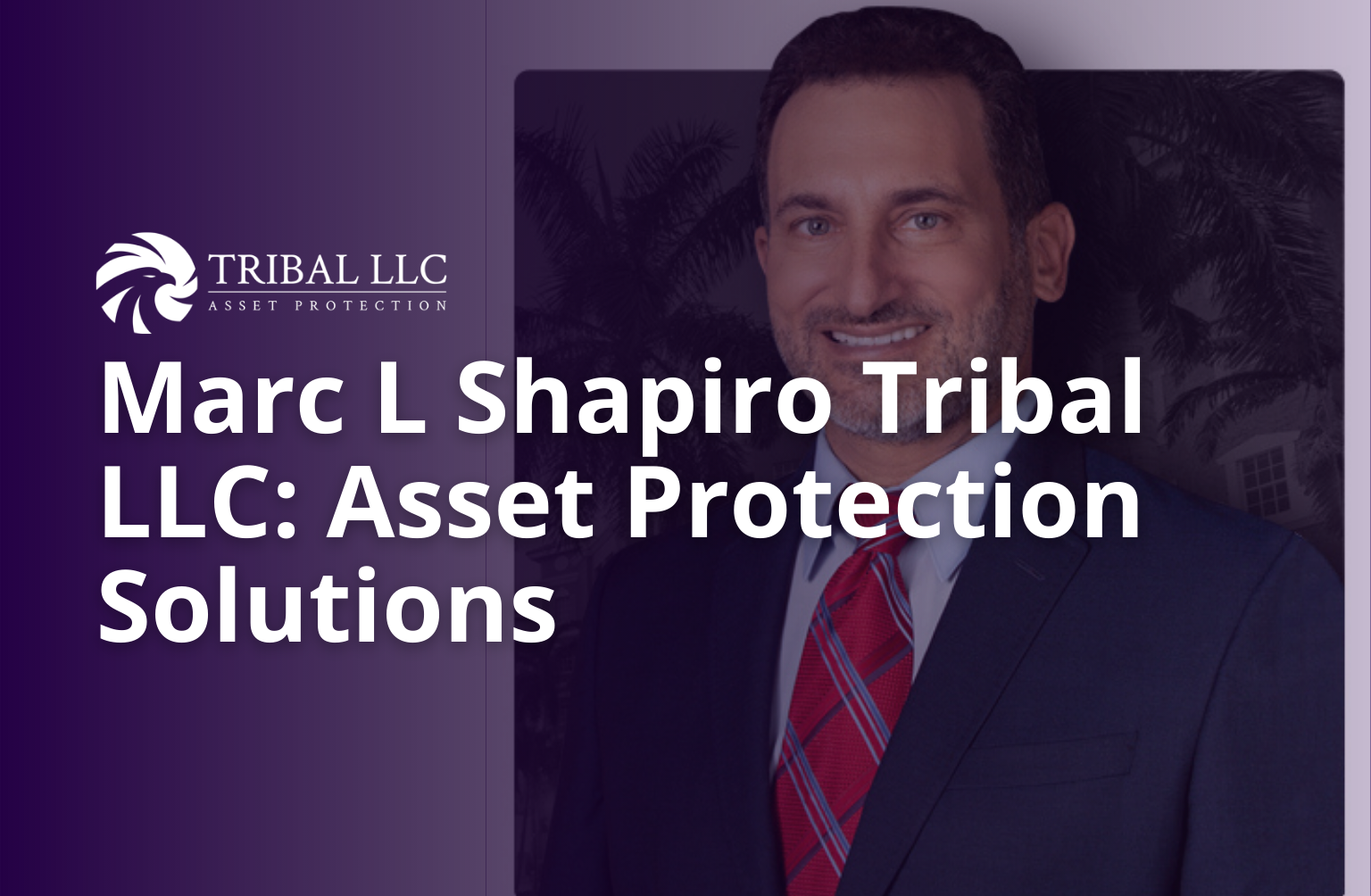
Marc L Shapiro Tribal LLC represents a specialized approach to asset protection that has gained attention among business owners, real estate investors, and high-net-worth individuals seeking alternatives to traditional protective structures. The concept combines the expertise of Marc L. Shapiro, Esq., with the unique legal framework of Native American tribal governance to create business entities that operate under different jurisdictional rules than standard state-issued limited liability companies. Understanding how marc l shapiro tribal llc functions requires examining both the legal foundations of tribal sovereignty and the practical applications for modern asset protection planning.
Understanding the Foundation of Tribal Business Entities
Native American tribes possess inherent sovereignty that predates the formation of the United States, creating a unique legal status recognized by federal law. This sovereignty allows federally recognized tribes to establish their own business regulations, court systems, and governance structures independent of state authority. When tribes issue business charters, these entities operate under tribal law rather than state statutes.
The framework supporting marc l shapiro tribal llc builds upon centuries of legal precedent affirming tribal sovereignty. Federal courts have consistently upheld the principle that tribes maintain governmental authority over their territories and business activities. This creates a distinct jurisdictional environment for entities chartered under tribal authority.
Key Characteristics of Tribal Business Charters
Tribal business entities differ from state-issued structures in several fundamental ways:
- Jurisdictional Framework: These entities operate under tribal law and federal Indian law rather than state commercial codes
- Regulatory Environment: Tribes establish their own rules for formation, maintenance, and operation of business entities
- Legal Status: Tribal entities maintain a unique position in the American legal system due to tribal sovereignty
- Maintenance Requirements: The administrative obligations differ from those imposed by state corporation commissions
The tribal sovereignty framework continues to evolve through judicial decisions and legislative developments. Understanding these foundational principles provides context for how marc l shapiro tribal llc operates within this specialized legal environment.
Marc L. Shapiro’s Approach to Asset Protection Planning
Marc L. Shapiro, Esq., brings extensive experience in advising clients on protective business structures. His practice focuses on helping entrepreneurs and investors understand different options for safeguarding business and personal assets. The approach emphasizes education and informed decision-making rather than one-size-fits-all solutions.
Marc L. Shapiro’s professional background includes significant experience in business law and representation of clients facing complex financial planning challenges. His work with tribal business entities emerged from researching alternative structures that might serve clients whose needs were not adequately addressed by conventional options.
The Educational Framework
The methodology employed in advising clients about marc l shapiro tribal llc centers on comprehensive education about available options. This includes detailed explanations of how different structures function, their respective characteristics, and considerations for implementation.
Clients receive information about:
- The legal foundations of various business entity types
- Jurisdictional considerations affecting asset protection planning
- Maintenance and compliance requirements for different structures
- Factors to consider when evaluating protective strategies
- The role of professional guidance in implementing these structures
This educational approach allows business owners to make informed decisions based on their specific circumstances rather than relying solely on marketing claims or oversimplified comparisons.
Comparing Business Entity Options for Asset Protection
Business owners evaluating protective structures typically consider several categories of options. Each type presents different characteristics, costs, and administrative requirements. Understanding these differences helps in making informed planning decisions.
| Entity Type | Jurisdictional Basis | Typical Formation Cost | Annual Maintenance | Complexity Level |
|---|---|---|---|---|
| State LLC | State commercial code | Moderate | Moderate | Low to Moderate |
| Series LLC | State statute (limited states) | Moderate to High | Moderate to High | Moderate to High |
| Offshore Trust | Foreign jurisdiction | High | High | High |
| Tribal Business Entity | Tribal law | Variable | Variable | Moderate |
The comparison illustrates why some clients explore alternatives like marc l shapiro tribal llc as part of their planning process. Each structure serves different purposes and suits different situations. No single option universally qualifies as optimal for all circumstances.
Evaluating Costs and Administrative Burdens
Financial considerations extend beyond initial formation fees. Business owners must account for ongoing compliance costs, professional service fees, and time investment required to maintain entities in good standing. Traditional asset protection structures vary significantly in their cost profiles over time.
Offshore trusts, for example, typically involve substantial setup costs ranging from several thousand to tens of thousands of dollars. Annual maintenance fees for offshore structures often exceed several thousand dollars due to foreign trustee fees, legal compliance costs, and reporting requirements. The complexity of maintaining offshore arrangements requires ongoing professional assistance.
State-issued entities generally present lower initial costs but accumulate expenses through annual filing fees, registered agent services, and compliance requirements. Multi-state operations multiply these costs as businesses maintain entities in multiple jurisdictions.
The Role of Tribal Sovereignty in Business Formation
Federal Indian law creates a framework where recognized tribes exercise governmental powers including the authority to regulate economic activity within their jurisdiction. This governmental authority enables tribes to establish business entity frameworks distinct from state systems.
Recent judicial decisions have reinforced tribal sovereignty in various contexts. Legal victories for tribal governments demonstrate the ongoing recognition of tribal authority by federal courts. These precedents contribute to the legal environment in which tribal business entities operate.
How Tribes Issue Business Charters
The process through which marc l shapiro tribal llc entities receive their charters involves tribal governmental procedures rather than state filing systems. Tribes with established business entity frameworks maintain their own registration processes, fee structures, and regulatory requirements.
When a tribe issues a business charter, the entity becomes subject to tribal law and tribal court jurisdiction for matters arising under the charter. This creates a different legal environment than state-chartered entities experience. The tribal governance structure establishes rules for entity formation, operation, and dissolution.
Business owners working with tribal entities typically engage with tribal business offices or designated representatives who process charter applications. The specific requirements vary by tribe, as each maintains its own governmental procedures.
Practical Applications for Real Estate Investors
Real estate investors face particular asset protection challenges due to the nature of property ownership and liability exposure. Investment properties can generate claims from tenants, visitors, contractors, and other parties. Asset protection for landlords involves creating barriers between personal assets and business liability.
Many investors traditionally use state LLCs to hold individual properties or property portfolios. This approach creates separate legal entities for real estate holdings, theoretically limiting exposure to the assets held within each entity. However, investors must maintain proper formalities and avoid commingling assets to preserve these protections.
Structuring Multi-Property Portfolios
Investors with multiple properties often evaluate whether to:
- Hold each property in a separate entity
- Group related properties within single entities
- Create holding company structures with subsidiary entities
- Utilize series LLC structures where available
Each approach presents different administrative burdens, costs, and protective characteristics. The marc l shapiro tribal llc framework offers another option for investors to consider within their overall planning strategy.
Portfolio structuring decisions depend on factors including:
- Total number of properties owned
- Geographic distribution of holdings
- Property types and risk profiles
- Available resources for entity maintenance
- Long-term investment strategy
Considerations for High-Net-Worth Individuals
High-net-worth individuals often implement multiple protective strategies working together as part of comprehensive planning. These strategies may include business entities, insurance coverage, contractual arrangements, and ownership structures designed to create barriers between assets and potential claims.
The approach to asset protection for wealthy individuals differs from basic business entity formation. Comprehensive planning considers the full spectrum of assets, potential liability sources, family circumstances, and long-term objectives. Wealth protection strategies typically involve coordination among multiple advisors including attorneys, accountants, and financial planners.
Evaluating Alternative Structures
When high-net-worth clients explore marc l shapiro tribal llc options, the evaluation typically occurs within the context of broader planning discussions. Questions to consider include:
How does this structure fit with existing planning? Integration with current business entities, trusts, and ownership arrangements requires careful analysis to avoid creating conflicts or undermining existing protections.
What are the jurisdictional implications? Understanding where disputes might be resolved and which laws apply to various aspects of the structure influences planning decisions.
What professional support is required? Implementing and maintaining specialized structures often requires ongoing professional assistance, creating long-term service relationships and costs.
The Legal Framework Supporting Tribal Business Entities
The constitutional and statutory framework governing tribal sovereignty establishes the legal foundation for tribal business entity programs. Article I, Section 8 of the United States Constitution grants Congress authority to regulate commerce with Indian tribes, recognizing tribes as distinct governmental entities.
Numerous federal statutes and court decisions have interpreted and applied this constitutional framework over time. The Indian Commerce Clause, treaties between the United States and individual tribes, and the trust relationship between the federal government and tribes all contribute to the legal environment.
Jurisdictional Considerations
Businesses operating as tribal entities encounter jurisdictional questions regarding which courts have authority over various disputes. Federal Indian law includes complex rules about jurisdiction over matters involving tribal entities, tribal members, and non-members.
Generally, tribal courts maintain jurisdiction over matters arising under tribal law on tribal lands. State courts typically lack jurisdiction over tribal governmental functions. Federal courts may exercise jurisdiction in certain circumstances, particularly where federal law creates a cause of action or where diversity jurisdiction exists.
The jurisdictional framework surrounding marc l shapiro tribal llc operations requires careful analysis because different types of claims may be subject to different jurisdictional rules. Contract disputes, tort claims, regulatory matters, and other legal issues each present distinct jurisdictional considerations.
Professional Guidance in Implementing Protective Structures
The complexity of asset protection planning typically requires professional assistance from experienced advisors. Business owners benefit from working with professionals who understand both the technical aspects of different structures and the practical considerations of implementing and maintaining them.
Marc L. Shapiro’s professional recognition reflects years of practice serving clients with complex planning needs. Professional advisors in this field maintain current knowledge of legal developments, regulatory changes, and practical considerations affecting various protective strategies.
Questions to Ask Potential Advisors
When selecting professional guidance for asset protection planning, business owners should evaluate:
- Experience: How long has the advisor worked with the specific structures being considered?
- Knowledge Base: Does the advisor understand the legal foundations and practical implications of different options?
- Communication Style: Does the advisor explain concepts clearly and answer questions thoroughly?
- Approach: Does the advisor emphasize education and informed decision-making or push particular solutions?
- Professional Network: Can the advisor coordinate with other professionals involved in comprehensive planning?
The relationship between client and advisor significantly impacts the success of asset protection planning. Business owners should feel comfortable asking questions and receiving clear, understandable explanations.
Ongoing Maintenance and Compliance Requirements
Business entities require ongoing attention to maintain their legal status and protective characteristics. Neglecting maintenance requirements can result in loss of good standing, administrative dissolution, or piercing of liability protections. Understanding the specific requirements for any entity type proves essential for long-term success.
State LLCs typically require annual reports, payment of franchise taxes or fees, maintenance of registered agent services, and compliance with state regulations. Multi-state operations multiply these requirements as each jurisdiction imposes its own rules.
Administrative Obligations for Tribal Entities
Entities chartered under tribal authority, including those in the marc l shapiro tribal llc framework, operate under tribal regulatory requirements rather than state rules. The specific obligations vary by tribe and by the terms of individual charters.
Common considerations include:
- Annual fees or assessments established by tribal regulation
- Reporting requirements set by tribal business offices
- Compliance with tribal governance rules
- Maintenance of contact information with tribal authorities
- Adherence to any ongoing obligations specified in charter documents
Business owners must understand and fulfill these requirements to maintain entities in good standing. Unlike state entities where compliance procedures are standardized across many states, tribal entity requirements reflect each tribe’s individual governmental framework.
Integration with Broader Business and Estate Planning
Asset protection planning does not occur in isolation from other business and personal planning objectives. Protective structures must integrate with business operations, tax planning, estate planning, and financial management strategies. This integration requires coordination among multiple planning areas and professional advisors.
For example, business owner lawsuit protection strategies must work harmoniously with succession planning for transferring businesses to future generations. Entity structures affect estate tax planning, gift tax considerations, and probate avoidance strategies.
Tax considerations play a significant role in entity selection and structuring decisions. Different entity types receive different tax treatment under federal and state tax laws. The tax implications of marc l shapiro tribal llc structures require analysis by qualified tax professionals familiar with the specific circumstances.
Coordination Among Professional Advisors
Comprehensive planning typically involves:
| Professional Role | Primary Responsibilities | Integration Points |
|---|---|---|
| Attorney | Legal structure, entity formation, regulatory compliance | Entity selection, documentation, jurisdictional issues |
| Accountant | Tax planning, financial reporting, compliance | Tax treatment, financial structure, reporting requirements |
| Financial Advisor | Investment strategy, retirement planning, insurance | Asset allocation, funding strategies, risk management |
| Insurance Professional | Coverage analysis, policy placement | Risk transfer, gap analysis, claims handling |
These professionals must communicate and coordinate to ensure different planning components work together effectively rather than creating conflicts or inefficiencies.
Common Misconceptions About Asset Protection
Several misconceptions about asset protection planning can lead business owners to make uninformed decisions or develop unrealistic expectations. Addressing these misunderstandings helps create appropriate context for evaluating options.
Misconception: Asset protection provides absolute immunity from claims. Reality involves creating obstacles and disincentives for creditors while recognizing that no structure provides complete immunity from all potential claims.
Misconception: Transferring assets after problems arise provides protection. Fraudulent transfer laws typically void transactions made to hinder, delay, or defraud creditors, making timing of implementation critical.
Misconception: Asset protection eliminates the need for insurance. Insurance and protective structures serve complementary roles in comprehensive risk management rather than substituting for each other.
Misconception: More complex structures always provide better protection. Complexity creates administrative burdens and costs that may outweigh marginal benefits for many business owners.
Realistic Expectations
When exploring marc l shapiro tribal llc or any protective structure, business owners should maintain realistic expectations about what these tools can and cannot accomplish. Protective planning involves creating legal barriers that make pursuing claims more difficult, time-consuming, or expensive for potential creditors. The goal centers on deterrence and obstacle creation rather than absolute immunity.
Effective planning requires implementation before problems arise. Waiting until facing specific claims or legal problems limits available options and raises fraudulent transfer concerns. The timing of protective planning significantly impacts its effectiveness.
Evaluating Whether Specialized Structures Fit Your Needs
Not every business owner requires or benefits from specialized protective structures beyond basic business entities and insurance coverage. Determining whether to explore options like marc l shapiro tribal llc involves honest assessment of risk exposure, asset levels, and planning objectives.
Factors suggesting potential benefit from exploring specialized structures include:
- Significant accumulated wealth creating attractive targets for claims
- Business activities generating substantial liability exposure
- Professional licensing or activities subject to malpractice claims
- Real estate portfolios with multiple properties and tenant relationships
- Existing protective measures that may not adequately address risk profile
Conversely, business owners with modest assets, low risk exposure, or limited resources for ongoing entity maintenance may find basic structures and insurance coverage provide appropriate protection without the complexity of specialized arrangements.
Working with Tribal LLC for Asset Protection Solutions
Business owners interested in exploring how tribal business entities might fit their planning can connect with professionals experienced in these structures. The evaluation process typically begins with understanding current asset holdings, business activities, existing protective measures, and planning objectives.
The information gathered allows advisors to discuss whether marc l shapiro tribal llc frameworks align with specific circumstances and how they might integrate with other planning components. This educational process helps business owners make informed decisions based on their individual situations rather than general marketing claims.
The Evolution of Asset Protection Planning
Asset protection as a planning discipline has evolved significantly over recent decades. Early approaches focused primarily on offshore trusts and foreign entities, which presented substantial costs and complexity. Growing recognition of domestic planning options expanded available tools for business owners seeking protective structures.
The development of tribal business entity programs represents one evolution in the asset protection field. As tribes have developed more sophisticated governmental and economic frameworks, opportunities for non-tribal members to utilize tribally-chartered entities have emerged in certain contexts.
Understanding how tribal LLCs compare to standard state entities requires examining both the similarities and differences between these structures. Both involve creating separate legal entities for business operations. Both provide mechanisms for limiting personal liability for business obligations. However, the jurisdictional framework, regulatory environment, and specific characteristics differ based on the issuing authority.
Future Developments in the Field
The asset protection field continues evolving through legislative changes, judicial decisions, and development of new planning techniques. Business owners implementing protective structures should maintain awareness that legal frameworks change over time, potentially affecting existing planning.
Working with advisors who stay current with developments in the field helps ensure planning remains effective as circumstances and laws change. Periodic review of existing structures allows for adjustments responding to changed circumstances, new laws, or evolved planning objectives.
Understanding marc l shapiro tribal llc requires examining both the legal foundations of tribal sovereignty and practical applications for modern asset protection planning. Business owners benefit from educational approaches that emphasize informed decision-making based on individual circumstances rather than one-size-fits-all solutions. For entrepreneurs and investors seeking to explore whether tribal business entities align with their protective planning objectives, Tribal LLC provides specialized guidance in evaluating and implementing these unique structures as part of comprehensive asset protection strategies.
This article is for general informational purposes only and does not constitute legal advice. Reading this article does not create an attorney-client relationship.
