
Marc Shapiro 30 Years Experience Attorney Asset Protection
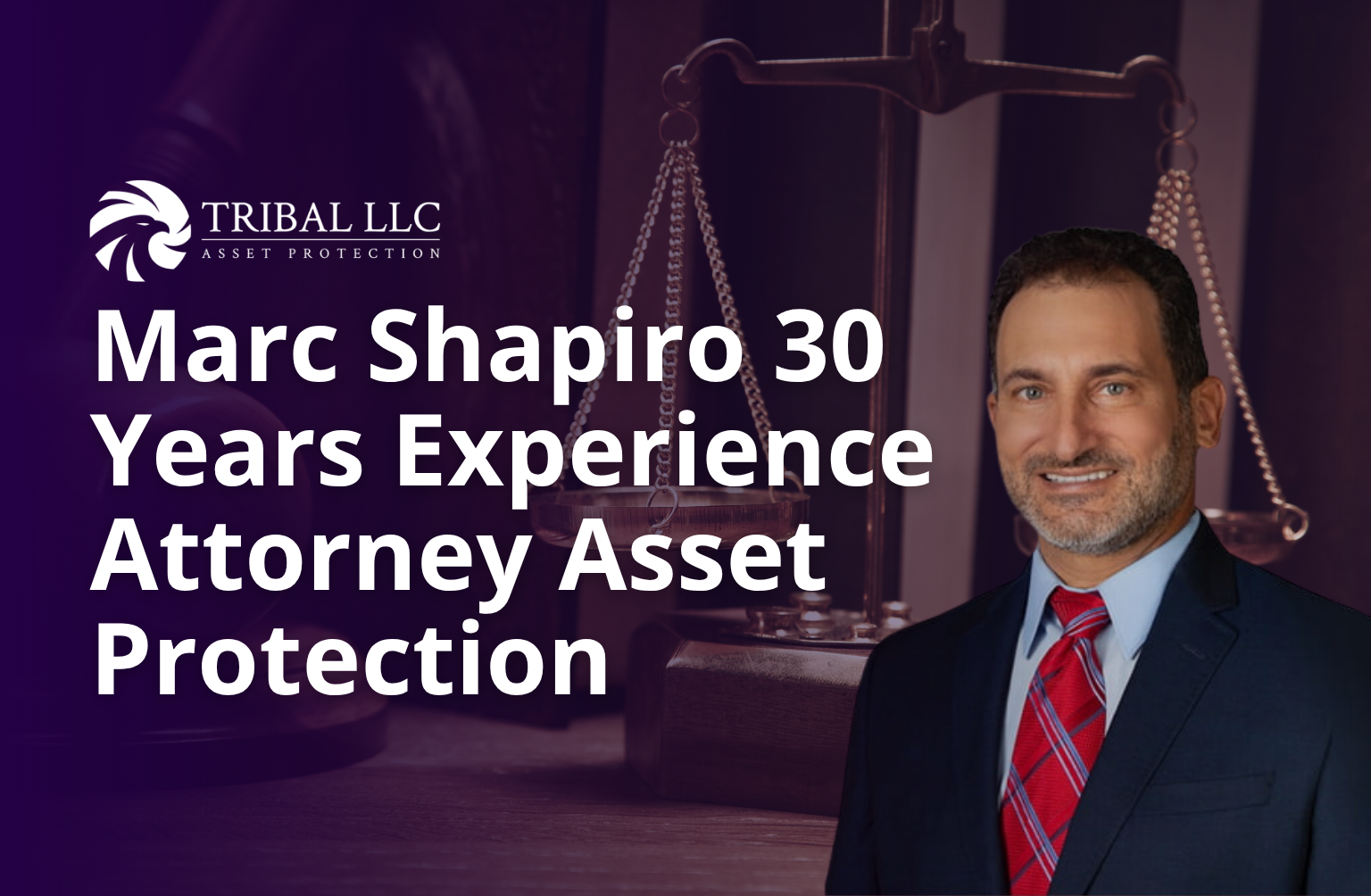
When seeking legal counsel for asset protection, experience matters significantly. Marc Shapiro 30 years experience attorney brings three decades of legal knowledge to the complex field of protecting wealth and business assets. Through his leadership at Tribal LLC, he has developed innovative approaches to asset protection that go beyond conventional state-issued limited liability companies and expensive offshore trust structures. His extensive background in advising real estate investors and entrepreneurs has shaped a unique perspective on how individuals and businesses can safeguard their hard-earned assets in an increasingly litigious environment.
The Foundation of Three Decades in Legal Practice
Marc Shapiro 30 years experience attorney has built his career on understanding the intricate relationships between business structures, liability exposure, and wealth preservation. Over the course of three decades, legal practice evolves from handling individual cases to recognizing patterns, anticipating challenges, and developing comprehensive strategies that address root causes rather than symptoms.
Building Expertise Through Client Representation
The journey from newly admitted attorney to seasoned legal professional involves thousands of client interactions, countless hours of research, and continuous adaptation to changing legal landscapes. Marc L. Shapiro’s extensive career demonstrates this evolution, showing how sustained practice in specific areas creates deep wells of knowledge that benefit clients facing complex situations.
Key areas where decades of experience prove invaluable:
- Understanding jurisdictional nuances across different states and legal systems
- Recognizing liability patterns before they materialize into actual lawsuits
- Developing proactive strategies rather than reactive solutions
- Building relationships with specialized professionals across complementary fields
- Staying current with evolving legislation and court precedents
The difference between five years of experience and thirty years extends far beyond the time invested. It encompasses exposure to economic cycles, legislative changes, and the outcomes of countless strategic decisions made by clients over extended periods.
Asset Protection as a Specialized Practice Area
Asset protection represents one of the most complex intersections of business law, tax considerations, and risk management. Marc Shapiro 30 years experience attorney has focused significant energy on developing solutions that address the specific needs of real estate investors and entrepreneurs who face unique liability exposures.
Understanding Modern Liability Exposure
Today’s business owners and investors operate in an environment where lawsuits can arise from numerous sources. A single rental property can generate exposure from tenant disputes, slip-and-fall incidents, environmental claims, or contract disagreements. Entrepreneurs face similar risks from customer complaints, employee issues, vendor disputes, and professional liability claims.
Traditional asset protection methods have included:
| Method | Typical Cost | Complexity Level | Maintenance Requirements |
|---|---|---|---|
| Offshore Trusts | $25,000-$100,000+ | Very High | Annual reporting, foreign compliance |
| Multiple State LLCs | $500-$2,000 per entity | Medium | Annual fees, registered agents |
| Family Limited Partnerships | $5,000-$15,000 | High | Annual tax returns, valuation reports |
| Domestic Asset Protection Trusts | $10,000-$30,000 | High | Ongoing trustee fees, compliance |
These conventional approaches, while established, often create barriers due to cost, complexity, or ongoing administrative burdens that make them impractical for many investors and business owners.
The Development of Native Business Enterprises
Through his work at Tribal LLC, Marc Shapiro 30 years experience attorney has pioneered the use of Native Business Enterprises, commonly known as Tribal LLCs, as an alternative approach to asset protection. These entities leverage the sovereignty of Native American Indian tribes to provide business structures with distinct advantages.
How Tribal LLCs Differ from State-Issued Entities
Understanding what a Tribal LLC is requires recognizing the unique legal status of tribal governments in the United States. Native American tribes possess inherent sovereignty, which means they operate as separate governments with their own legal systems and regulatory frameworks.
When a tribe issues a business entity, that entity exists under tribal law rather than state law. This distinction creates several practical differences:
- Formation occurs through tribal registration rather than state filing
- Governance follows tribal codes and regulations
- Legal disputes may be addressed through tribal judicial systems
- Entity structure reflects tribal business law principles
The comparison between Tribal LLCs and standard LLCs reveals fundamental differences in how these entities are created, maintained, and operated.
Cost and Maintenance Advantages
One of the significant benefits identified through decades of practice is that effective asset protection should not require prohibitive ongoing costs. Marc Shapiro 30 years experience attorney has structured Tribal LLC offerings to address this concern directly.
Financial considerations include:
- Lower initial formation costs compared to offshore trusts
- Reduced annual maintenance fees relative to multiple state entities
- Simplified compliance requirements
- Fewer ongoing professional service needs
- Predictable cost structures for budgeting purposes
These cost advantages make comprehensive asset protection accessible to a broader range of investors and business owners who might otherwise forego protection due to budget constraints.
Application to Real Estate Investment Portfolios
Real estate investors represent a primary audience for marc shapiro 30 years experience attorney services because they face particular liability challenges. Each property in a portfolio represents a potential source of lawsuits, and traditional approaches to protection often involve creating separate entities for each property.
Strategies for Rental Property Protection
Property owners must consider numerous risk sources when protecting rental properties from lawsuits. Tenant injuries, property damage claims, fair housing disputes, and environmental issues all create potential pathways for litigation that could reach beyond a single property to threaten an entire portfolio.
Conventional wisdom suggests holding each property in a separate limited liability company to prevent a judgment against one property from affecting others. However, this approach generates significant costs:
- Formation fees for each entity
- Annual state filing fees multiplied by the number of entities
- Registered agent fees for each company
- Separate tax returns for each entity
- Accounting costs to maintain multiple sets of books
- Administrative overhead to manage numerous entities
For investors with substantial portfolios, these costs compound quickly. A portfolio of ten properties using traditional state LLCs might incur $5,000 to $10,000 annually in basic maintenance costs before accounting for any legal or accounting services.
Portfolio-Level Asset Protection
The experience gained over thirty years in legal practice has informed alternative approaches that provide portfolio-level protection without requiring individual entities for each asset. This strategic thinking reflects the difference between theoretical legal structures and practical solutions that investors can actually implement and maintain.
Serving Entrepreneurs Beyond Real Estate
While real estate investors represent a significant client base, marc shapiro 30 years experience attorney also serves entrepreneurs across various industries who need LLC protection for entrepreneurs engaged in different types of business activities.
Business Owner Liability Concerns
Entrepreneurs face distinct challenges compared to real estate investors. Product liability, professional errors, employment disputes, and contract disagreements all create exposure that threatens both business and personal assets. Without proper structures in place, a single lawsuit could devastate years of business building.
Business owner lawsuit protection requires understanding how assets flow between business and personal spheres, where vulnerabilities exist in current structures, and what steps can strengthen the protective barriers.
Common entrepreneurial scenarios requiring asset protection:
- E-commerce businesses facing product liability claims
- Professional service providers concerned about errors and omissions
- Contractors managing subcontractor relationships and project risks
- Technology companies handling intellectual property and data security
- Consultants protecting personal assets from business debts
Each business type presents unique risk profiles that benefit from customized protective strategies rather than one-size-fits-all solutions.
Comprehensive Wealth Protection Strategies
Experience spanning three decades enables attorneys to see beyond individual transactions or single entities to develop comprehensive wealth protection strategies that address multiple vulnerability points simultaneously.
Integrated Planning Approaches
Effective asset protection does not exist in isolation from other planning considerations. Estate planning, tax optimization, business succession, and asset protection all interconnect. Changes in one area ripple through others, creating either synergies or conflicts depending on how thoroughly the interactions are understood and planned.
Marc shapiro 30 years experience attorney approaches client situations with this integrated perspective, recognizing that protecting assets today must align with transferring wealth to future generations tomorrow, operating businesses efficiently in the meantime, and complying with applicable regulations throughout.
| Planning Component | Asset Protection Link | Common Conflicts |
|---|---|---|
| Estate Planning | Ensures protected assets transfer properly | Probate exposure versus trust protection |
| Tax Planning | Structure affects tax treatment | Complexity versus deduction optimization |
| Business Operations | Daily activities create or reduce exposure | Efficiency versus protective formalities |
| Insurance | First line of defense before structure | Coverage gaps versus policy costs |
The goal is creating harmonious systems where each component supports rather than undermines the others.
Risk Assessment and Prioritization
Not all assets face equal risk, and not all risks justify the same level of protection. Client reviews and experiences often highlight the value of receiving guidance on where to focus protective efforts for maximum benefit.
High-risk assets might include:
- Rental properties in litigious jurisdictions
- Businesses with significant customer interaction
- Professional practices with errors and omissions exposure
- Investment accounts representing retirement savings
- Real estate with substantial equity
Low-risk assets might include:
- Primary residences in states with strong homestead protection
- Retirement accounts with statutory creditor protection
- Life insurance cash values in protected jurisdictions
- Assets already subject to security interests
- Property with minimal equity
Experience helps identify which assets require active protection and which enjoy adequate protection through existing laws or circumstances.
The Legal Framework Supporting Tribal Business Entities
Understanding whether Tribal LLCs are legal requires examining the constitutional foundation of tribal sovereignty and how courts have interpreted tribal authority to issue business entities.
Tribal Sovereignty Principles
The United States Constitution recognizes Native American tribes as distinct governmental entities with inherent sovereignty. This status has been affirmed through numerous Supreme Court decisions over two centuries of jurisprudence. Tribes possess the authority to regulate internal affairs, establish legal codes, and create business entities under tribal law.
This sovereign authority forms the legal foundation for tribal business enterprises. When a tribe chooses to issue business entities as part of its economic development activities, it exercises the same governmental powers that states use when authorizing corporations and limited liability companies.
Questions About Sovereign Immunity
A common question when exploring Tribal LLCs concerns whether Tribal LLCs have sovereign immunity. This question reflects important considerations about how these entities interact with the broader legal system.
Sovereign immunity, in general terms, refers to the principle that governments cannot be sued without their consent. Tribes, as sovereign governments, possess this immunity. However, entities created by tribes do not automatically inherit the same immunity as the tribe itself, just as corporations formed under state law do not possess the same immunity as the state.
The distinction matters because asset protection structures rely on legal principles beyond immunity. They depend on proper formation, appropriate capitalization, respect for entity formalities, and clear separation between entity assets and personal assets.
Practical Implementation Considerations
Marc shapiro 30 years experience attorney brings practical implementation knowledge that comes only from guiding hundreds of clients through the actual process of establishing and maintaining protective structures.
Formation Process and Timeline
Understanding the realistic timeline for establishing protective entities helps clients plan appropriately. While promotional materials might suggest instant protection, the reality involves several steps:
- Initial consultation to assess specific situation and goals
- Review of current asset inventory and liability exposure
- Development of customized protection strategy
- Preparation of formation documents and supporting materials
- Filing with appropriate tribal authority
- Obtaining employer identification numbers and opening bank accounts
- Transferring assets into the protective structure
- Implementing ongoing compliance procedures
This process typically requires several weeks to complete properly, though timelines vary based on complexity and client responsiveness.
Ongoing Maintenance Requirements
Establishing protective structures represents only the beginning. Maintaining their effectiveness requires ongoing attention to several areas:
Annual compliance tasks:
- Filing any required annual reports or renewals
- Maintaining updated ownership records
- Documenting major decisions through proper minutes or resolutions
- Keeping entity assets separate from personal assets
- Operating the entity according to its governing documents
Periodic review activities:
- Assessing whether the protective structure remains appropriate as circumstances change
- Updating structures when acquiring or disposing of significant assets
- Adjusting approaches when legal or regulatory environments shift
- Ensuring that insurance coverage coordinates with entity protection
These maintenance activities need not be burdensome, but they do require consistent attention to preserve the protective benefits.
Regional Considerations and Multi-State Operations
Investors and business owners operating across state lines face additional complexity. Marc shapiro 30 years experience attorney has worked with clients in numerous jurisdictions, understanding how location affects asset protection strategies.
Florida-Specific Considerations
For clients operating in Florida, certain state-specific factors influence planning decisions. Florida offers strong homestead protection for primary residences, relatively favorable exemption laws, and a business environment that attracts entrepreneurs and investors. However, the state also sees significant litigation activity, particularly in areas like premises liability and motor vehicle accidents.
When considering asset protection services in Naples, FL or other Florida markets, clients must account for state-specific legal nuances while developing structures that provide protection across all jurisdictions where they operate.
Multi-Jurisdiction Asset Protection
Investors with properties in multiple states or businesses operating across state lines need protection that functions effectively regardless of where a claim might arise. State-specific entities offer limited benefit when assets span multiple jurisdictions because each state entity only provides protection under that state’s laws.
Alternative approaches that provide consistent protection across jurisdictions become particularly valuable for these clients. The ability to establish a single protective structure that functions in all states where a client operates simplifies administration while maintaining comprehensive coverage.
The Role of Professional Guidance in Asset Protection
Decades of experience reinforce a fundamental truth: asset protection planning benefits significantly from professional guidance. While general information helps individuals understand concepts and possibilities, implementing effective strategies requires knowledge of specific circumstances, applicable laws, and practical considerations.
When to Seek Specialized Counsel
Certain situations signal the need for specialized asset protection advice:
- Accumulation of substantial assets creating worthwhile targets
- Engagement in activities with inherent liability exposure
- Transitions such as selling a business or receiving an inheritance
- Changes in family circumstances affecting estate planning needs
- Expansion of business operations into new territories or activities
Waiting until after a lawsuit is filed typically proves too late to implement protective strategies. Courts view post-litigation transfers with skepticism, and fraudulent transfer laws may undo protections established after problems arise.
Distinguishing Experience Levels
Not all legal professionals possess equivalent knowledge in asset protection. General practice attorneys may understand basic entity formation but lack the specialized experience needed for comprehensive protection strategies. The detailed background of practitioners helps potential clients assess whether an attorney possesses relevant experience.
Questions to consider when evaluating asset protection counsel include:
- How many years has the attorney focused specifically on asset protection?
- What types of clients has the attorney served in similar situations?
- Does the attorney understand the specific liability exposures in your industry?
- Can the attorney explain complex concepts in understandable terms?
- Does the attorney offer innovative solutions beyond standard approaches?
Educational Resources and Continued Learning
Marc shapiro 30 years experience attorney emphasizes client education as part of the asset protection process. Understanding why certain strategies work and how structures provide protection helps clients make informed decisions and maintain their protective measures effectively.
Available Information Sources
Clients and prospective clients can access various educational resources to build their understanding of asset protection principles. The Tribal LLC blog provides articles on specific topics relevant to investors and entrepreneurs. The frequently asked questions section addresses common concerns that arise during the consideration process.
These resources serve educational purposes and help individuals determine whether they need more personalized guidance for their situations. However, general information cannot substitute for advice tailored to specific circumstances.
Staying Current with Legal Developments
Asset protection law continues to evolve as courts address new situations, legislatures pass updated statutes, and regulatory agencies issue guidance affecting business entities. Attorneys practicing in this field must stay current with developments across multiple jurisdictions and practice areas.
This ongoing education represents part of the value that experienced practitioners bring to client relationships. Rather than relying on knowledge from years past, active practitioners maintain current understanding of the legal landscape and adjust strategies accordingly.
Three decades of legal experience provide invaluable perspective on asset protection challenges and solutions for real estate investors and business owners. The specialized knowledge developed through years of client service enables more effective strategies than generic approaches. Tribal LLC offers innovative asset protection solutions through Native Business Enterprises that provide comprehensive protection with lower costs and reduced complexity compared to traditional alternatives, making professional-grade asset protection accessible to a broader range of investors and entrepreneurs who recognize the importance of safeguarding their wealth.
This article is for general informational purposes only and does not constitute legal advice. Reading this article does not create an attorney-client relationship.
