
Native Business Enterprise Guide: Success Strategies for 2026
In 2026, the rise of the native business enterprise is transforming how entrepreneurs protect assets and build wealth in the United States. These innovative enterprises offer unique legal, economic, and cultural advantages that set them apart from traditional business models.
This guide provides a clear roadmap for launching, growing, and safeguarding a native business enterprise. Discover actionable steps for starting your venture, mastering compliance, accelerating growth, and securing your assets, all tailored to the evolving opportunities of 2026.
Understanding Native Business Enterprises in 2026
Native business enterprise models have become increasingly important in 2026, offering unique opportunities for entrepreneurs and tribal communities alike. These entities stand at the intersection of law, economics, and culture, providing pathways for sustainable growth and protection. Understanding what sets a native business enterprise apart is the first step to leveraging its full potential.
Definition and Legal Framework
A native business enterprise in 2026 refers to a business entity that is owned, controlled, or operated by members of a federally recognized tribe or tribal government. Unlike traditional LLCs or corporations, a native business enterprise is subject to a blend of tribal, federal, and sometimes state laws that grant it unique legal standing.
The core distinction lies in the exercise of tribal sovereignty. While a traditional LLC is registered under state law, a native business enterprise often forms under tribal law, allowing for enhanced jurisdictional autonomy. Recent legislative updates, such as the 2025 amendments to the Indian Self-Determination Act, have clarified and expanded the rights of these entities. This legal foundation supports their ability to operate both within and beyond reservation boundaries.
Navigating the legal framework requires careful consideration of tribal codes, federal regulations, and ongoing compliance responsibilities. Entrepreneurs must work closely with tribal authorities to ensure their native business enterprise is properly structured and recognized.
Benefits and Opportunities of NBEs
Choosing a native business enterprise structure unlocks significant advantages for both business owners and tribal communities. These benefits include tax incentives, access to special funding, and enhanced asset protection.
| Benefit | 2026 Data/Example |
|---|---|
| Tax Advantages | NBEs often qualify for exemptions on certain federal and state taxes. |
| Grant Access | Over $1.2 billion in grants awarded to NBEs in 2025. |
| Asset Protection | Real estate investor shielded assets from litigation using NBE. |
| Government Contracting | 40% of NBEs cite government contracts as top revenue source. |
| Growth Rate | 1,500+ NBEs formed in 2025, a 30% increase from 2024. |
A native business enterprise can access exclusive federal and tribal grant programs, which are not available to traditional entities. Litigation protection is another key benefit, as NBEs often fall under tribal jurisdiction, making it harder for external creditors to pursue claims. For example, a real estate investor leveraged a native business enterprise for robust protection against lawsuits.
NBEs also enjoy a competitive edge in government contracting. Federal and state set-aside programs prioritize these entities, enabling them to secure lucrative projects that would otherwise be out of reach. This combination of financial and legal advantages makes the native business enterprise model especially attractive in the current climate.
Cultural and Community Impact
The cultural and community contributions of a native business enterprise extend far beyond financial metrics. NBEs play a vital role in advancing tribal economic sovereignty, empowering tribes to shape their own economic destinies and reinvest in their people.
- Support for tribal economic self-determination
- Job creation for tribal and local communities
- Integration of traditional values with modern business strategies
- Investment in education, healthcare, and cultural programs
For instance, one tribal enterprise has allocated a portion of its profits to fund scholarships and healthcare initiatives, directly benefiting future generations. Tribal leaders emphasize that a successful native business enterprise is measured not only by profits, but by its positive impact on the community.
According to Native Communities’ Economic Impact, Native-owned businesses are powering America’s economic future by creating thousands of jobs and driving significant revenue nationwide. By integrating traditional wisdom with innovative business practices, the native business enterprise model is setting new standards for sustainable, community-driven growth.
Step-by-Step Guide to Launching a Native Business Enterprise
Starting a native business enterprise in 2026 involves a clear, step-by-step process designed to maximize legal, economic, and cultural advantages. By following these essential steps, entrepreneurs and tribal partners can set a strong foundation for long-term success.
Step 1: Assessing Eligibility and Tribal Affiliation
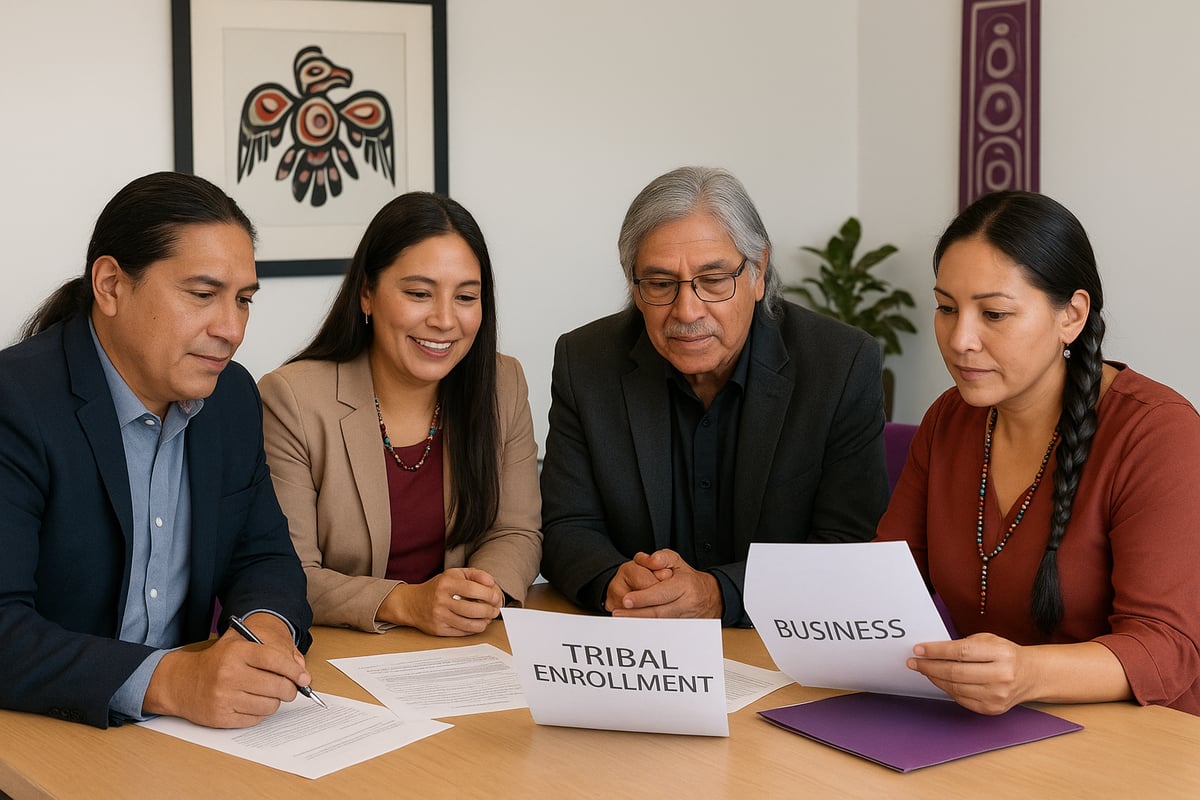
The first step in launching a native business enterprise is confirming eligibility through tribal affiliation or partnership. Most tribes require business owners to be enrolled members, but some allow non-tribal partners if the enterprise benefits the community.
Work closely with tribal enrollment offices to verify membership status or partnership arrangements. Each tribe has specific rules, so review their guidelines and gather necessary documentation early. Securing tribal council approval is crucial, as they often oversee new business ventures for compliance with tribal priorities.
For non-tribal entrepreneurs, forming a partnership with a tribe or tribally-owned entity opens the door to unique opportunities. This collaboration can enhance credibility and ensure the native business enterprise aligns with community interests.
Step 2: Choosing the Right Business Structure
Selecting the appropriate business structure is a critical decision for any native business enterprise. The main options include Tribal LLCs, corporations, and joint ventures. Each structure offers distinct benefits regarding liability, taxation, and management flexibility.
| Structure | Liability | Taxation | Management |
|---|---|---|---|
| Tribal LLC | Limited | Favorable | Flexible |
| Corporation | Limited | Double taxation | Formal |
| Joint Venture | Shared | Varies | Collaborative |
For example, a real estate holding company may benefit from the asset protection of a Tribal LLC, while a consulting firm might prefer the streamlined approach of a joint venture. For a deeper dive into forming and operating an NBE LLC, consult the Native Business Enterprise LLC guide.
Step 3: Navigating Regulatory and Compliance Requirements
After choosing a structure, the native business enterprise must complete registration with tribal, federal, and sometimes state authorities. Tribal sovereignty grants NBEs unique jurisdictional advantages, but it also introduces distinct compliance requirements.
Entrepreneurs should understand the implications of operating under tribal law versus state or federal law. Ongoing obligations include regular reporting, maintaining licenses, and adhering to both tribal and external regulations. According to the Native Business Trends Report 2025, 78 percent of NBEs cite compliance as a leading challenge.
Establishing routines for compliance reviews and engaging with tribal legal counsel helps a native business enterprise stay ahead of regulatory changes and avoid costly penalties.
Step 4: Securing Financing and Grants
Securing funding is a vital milestone for any native business enterprise. Tribal, federal, and private sources offer grants, low-interest loans, and equity investments tailored for NBEs. Familiarize yourself with eligibility criteria and application processes for each funding source.
When preparing grant applications, emphasize the enterprise’s tribal affiliation, community impact, and sustainability goals. Programs like the SBA 8(a) support Native-owned businesses in accessing government contracts and capital. In 2025, NBEs received over $1.2 billion in grants, highlighting the significant opportunities available.
A native business enterprise that leverages these resources can accelerate growth and create lasting value for both tribal members and partners.
Asset Protection Strategies for NBEs
Protecting the assets of a native business enterprise has never been more critical than in 2026. With increased litigation risks and evolving legal landscapes, safeguarding business property is a top priority for leaders in this space. Studies show that 60% of small businesses face at least one lawsuit during their lifetime, which can threaten long-term viability if proper structures are not in place. Every native business enterprise must prioritize robust asset protection to ensure resilience in a competitive market.

Why Asset Protection Matters in 2026
The business environment in 2026 presents unique challenges for every native business enterprise. Lawsuits and unexpected claims are on the rise, making businesses more vulnerable than ever. Without the right legal frameworks, assets such as property, equipment, and investments can be exposed to creditors or legal actions.
For a native business enterprise, the stakes are higher due to complex jurisdictional issues and the need to safeguard tribal wealth. Data indicates that 60% of small businesses, including many NBEs, will face litigation. This reality underscores the importance of building a protective shield around your enterprise.
Advanced Structures: Tribal LLCs and Trusts
Choosing the right entity structure is foundational for asset security. Tribal LLCs differ significantly from state-issued LLCs, offering a native business enterprise superior protection. These entities are formed under tribal law, which provides jurisdictional immunity and shields assets from most state court judgments.
Many NBEs also use trusts and layered entities for an added layer of security. For example, a real estate investor can protect holdings from external claims by leveraging a Tribal LLC. Creditors face legal hurdles such as tribal court jurisdiction and bond requirements, making it challenging to pursue claims. For more details on these strategies, see Tribal LLC asset protection strategies.
Best Practices for Ongoing Protection
To maintain protection, a native business enterprise should conduct regular compliance audits and legal reviews. Ensuring a clear separation between personal and business assets is essential. Integrating insurance policies with entity-based legal shields further reduces risk.
Best practices include:
- Annual legal compliance reviews
- Separate bank accounts for business and personal finances
- Comprehensive liability insurance coverage
A notable case in 2025 involved an NBE that successfully defended its assets in court due to diligent compliance and strong entity structuring.
Tribal LLC: The Asset Protection Advantage
Tribal LLC stands out for helping clients form a native business enterprise that offers unparalleled asset protection. Led by Marc L. Shapiro, Esq., the firm specializes in Tribal LLCs, delivering legal safeguards, lower costs, and easier maintenance compared to offshore trusts.
Key features include jurisdictional immunity, minimal reporting, and strong deterrence against lawsuits. These advantages make Tribal LLC ideal for real estate investors, entrepreneurs, and high-net-worth individuals seeking innovative asset protection. For any native business enterprise, this approach represents a forward-thinking solution to the challenges of 2026.
Growth and Sustainability Strategies for Native Business Enterprises
Thriving in 2026 requires a native business enterprise to be both agile and strategic. Sustainable growth depends on leveraging government opportunities, building strong partnerships, adopting technology, and staying true to community values. Let us explore how these pillars support long-term success for any native business enterprise.
Leveraging Government Contracts and Certifications
For a native business enterprise, government contracts are a powerful growth engine. Access to federal and state set-aside programs like 8(a), HUBZone, and Indian Incentive Programs means increased revenue potential and market access. Many native business enterprises secure multi-million dollar contracts, driving significant expansion.
A recent report indicates that 40% of native business enterprises cite government contracting as their top revenue source. However, contract consolidation presents new challenges and opportunities. To understand these dynamics, review the Federal Contracting Challenges for Tribes. Staying proactive with certifications and compliance ensures continued eligibility and competitive advantage.
Building Strategic Partnerships and Networks
Collaboration is vital for a native business enterprise aiming for sustainable growth. By forming alliances with other NBEs, tribal organizations, and mainstream businesses, enterprises expand their reach and resources. Strategic joint ventures often open doors to new markets and government projects.
Membership in industry associations and Native chambers of commerce can connect a native business enterprise with mentors, investors, and clients. For example, joint ventures between native enterprises and large corporations have led to technology transfers and shared expertise, strengthening the business ecosystem.
Embracing Technology and Innovation
Adopting digital tools is essential for a native business enterprise to remain competitive. Cloud platforms, e-commerce solutions, and AI-powered analytics streamline operations, improve marketing, and boost sales. Digital transformation enables NBEs to reach customers far beyond tribal lands.
| Tool Type | Example Use |
|---|---|
| E-commerce | Selling products |
| AI analytics | Market insights |
| Remote work | Flexible teams |
A recent case study highlights a native business enterprise using AI to optimize inventory and customer engagement, resulting in measurable revenue growth. Continual tech adoption positions NBEs for long-term sustainability.
Fostering Community Engagement and Social Impact
A successful native business enterprise aligns its mission with tribal values and community needs. By creating mentorship and training programs for tribal youth, businesses invest in future leaders. Many NBEs fund scholarships, wellness initiatives, and local infrastructure.
Measuring and reporting on social impact builds trust and accountability. For instance, a native business enterprise that reinvests profits into education and healthcare not only strengthens its community but also enhances its reputation. Sustainable growth is inseparable from positive social outcomes.
Compliance, Governance, and Risk Management in 2026
Navigating compliance, governance, and risk management is crucial for any native business enterprise in 2026. The regulatory environment is evolving rapidly, demanding that NBEs stay agile and informed to maintain their competitive edge and protect their interests.
Evolving Compliance Landscape
The compliance landscape for native business enterprise is changing as new federal, tribal, and state regulations emerge in 2026. Recent reforms require NBEs to adopt updated reporting standards and embrace greater transparency in their operations.
According to industry data, 65% of NBEs revised their compliance protocols after the 2025 regulatory reforms. These changes include stricter financial disclosures, enhanced anti-fraud measures, and more rigorous internal auditing. NBEs must closely monitor these developments, as falling behind can result in penalties or loss of eligibility for government programs.
Accessing up-to-date resources, such as those provided by Starting a Business – Indian Affairs, can help NBEs stay compliant and informed about the latest requirements.
Governance Best Practices for NBEs
Strong governance is the backbone of every successful native business enterprise. Establishing effective boards and advisory councils ensures that both tribal and non-tribal interests are represented. Clear definitions of roles and responsibilities support accountability and prevent conflicts.
For example, a leading NBE in the energy sector has implemented a governance structure that includes a board comprised of tribal elders, external advisors, and industry experts. This approach fosters balanced decision-making and aligns business goals with community values.
Regular training sessions and policy updates are essential for keeping governance practices current. Leveraging legal frameworks, such as those detailed in What is a Tribal LLC, helps NBEs understand how to structure their organizations for maximum protection and operational efficiency.
Risk Management and Crisis Response
In 2026, risk management is a top priority for every native business enterprise. Identifying operational, legal, and reputational risks is the first step toward building a resilient organization. Developing comprehensive crisis management and business continuity plans is key for weathering unexpected events.
NBEs should integrate insurance coverage with legal counsel and regular risk assessments. For instance, when a native business enterprise experienced a data breach in 2025, its proactive crisis response plan minimized downtime and protected sensitive information. This case highlights the importance of preparedness and the value of ongoing risk reviews.
By prioritizing compliance, robust governance, and strategic risk management, NBEs can sustain growth and safeguard their long-term success.
As you look ahead to the opportunities and challenges facing Native Business Enterprises in 2026, it is clear that having the right guidance can make all the difference. Whether you are exploring the benefits of a Tribal LLC, navigating compliance, or seeking innovative ways to protect your assets, the expertise and support you receive are crucial. If you are ready to take the next step or want clarity on how these strategies can work for your unique goals, I invite you to reach out for a Free Consultation and gain insights tailored to your business journey.
