
Tribal LLC Attorney Guide: Navigate Legal Success in 2026
Asset protection and business structuring are becoming more complex for entrepreneurs and investors in 2026. The legal landscape continues to evolve, making it harder to safeguard assets and ensure compliance.
Tribal LLCs provide unique legal advantages, such as enhanced privacy and asset protection, compared to traditional state-issued LLCs. However, they also present distinctive challenges that require careful navigation.
Choosing the right tribal llc attorney is crucial to maximize protection and remain compliant with the latest regulations. Expert guidance helps you avoid costly mistakes and positions your business for long-term success.
This article is your comprehensive guide to selecting and working with a tribal llc attorney in 2026. You will learn about the fundamentals of Tribal LLCs, key legal considerations, how to choose the best legal partner, steps to form your entity, and strategies for ongoing compliance.
Understanding Tribal LLCs: The Foundation of Asset Protection
Navigating the modern world of asset protection requires a clear understanding of Tribal LLCs and their unique legal framework. For anyone seeking a tribal llc attorney, knowing what sets these entities apart is critical. Tribal LLCs have evolved as powerful vehicles for entrepreneurs and investors who want to secure their assets beyond the reach of traditional state court systems.
Defining Tribal LLCs and Native Business Enterprises
A Tribal LLC is a limited liability company formed under the laws of a federally recognized Native American tribe, rather than a U.S. state. This distinction is crucial for anyone working with a tribal llc attorney. Unlike state-issued LLCs, Tribal LLCs operate under the sovereign authority of tribal nations, granting them a unique legal status.
Native Business Enterprises encompass a wide range of entities owned or chartered by tribes. Their legal status is recognized under federal law, but specific rights and limitations depend on the tribe’s own regulations and any applicable federal statutes. Historically, the rise of Tribal LLCs as an asset protection tool can be traced back to increased economic development efforts among tribal nations. These entities allow tribes and non-tribal entrepreneurs to leverage tribal sovereignty for business and asset protection purposes.
Legal recognition of Tribal LLCs comes with both advantages and boundaries. Federal law often respects tribal sovereignty, but not all protections are absolute. For example, not every Tribal LLC is immune from federal regulation or external court orders. Misconceptions persist, such as the belief that all Tribal LLCs are universally immune to lawsuits or that they automatically offer tax exemptions. An experienced tribal llc attorney helps clients navigate these nuances and avoid costly mistakes.
Key Benefits and Unique Legal Advantages
The primary advantage of forming a Tribal LLC is superior asset protection. Lawsuits against Tribal LLCs typically must be filed in tribal courts, which often have different procedures and standards compared to state courts. This can deter frivolous claims and provide a strategic layer of defense.
Another significant benefit is charging order protection, even for single-member LLCs. This means that if a member is sued personally, creditors cannot easily seize company assets. Privacy is also enhanced, as Tribal LLCs generally require less public disclosure than state-based entities.
Cost-effectiveness is a compelling reason to consult a tribal llc attorney when considering Tribal LLCs versus offshore trusts or state LLCs. For instance, a real estate investor can shield properties from state court judgments by placing them within a Tribal LLC. For a deeper look into these strategies, see Asset Protection with Tribal LLCs.
Risks and Challenges to Consider
Despite the advantages, there are important risks and challenges when working with a tribal llc attorney on Tribal LLC matters. Jurisdictional complexity is a top concern. Enforcing tribal court judgments outside tribal lands can be difficult, and the process for recognition in state courts is not always straightforward.
In 2026, regulatory scrutiny of Tribal LLCs is expected to increase. This includes both federal oversight and evolving tribal regulations. Tax reporting and compliance can also be a stumbling block. IRS rules for Tribal LLCs are distinct, and failing to comply can result in penalties.
Consider a case where a creditor attempts to challenge a Tribal LLC’s asset shield in state court. Without proper legal guidance, the outcome can be unpredictable. A knowledgeable tribal llc attorney is essential for addressing these challenges, ensuring compliance, and preparing for potential disputes.
Legal Landscape 2026: Regulatory Updates and Compliance
The legal landscape for Tribal LLCs is rapidly changing in 2026. For any tribal llc attorney, keeping pace with new regulations and compliance standards is essential. Recent years have brought significant shifts in federal, tribal, and state oversight, creating both opportunities and challenges for clients. This section explores the most important legal updates, jurisdictional considerations, tax guidelines, and compliance best practices every tribal llc attorney should know.
Evolving Federal and Tribal Regulations
Federal and tribal regulations impacting Tribal LLCs have evolved notably in 2026. For a tribal llc attorney, understanding these changes is critical to providing accurate counsel. This year, the federal government implemented new rules clarifying the tax status of tribal entities, reinforcing tribal sovereignty in business operations. Several tribal nations have updated their business codes, enhancing protections for LLCs and introducing streamlined registration processes.
Recent tribal court rulings have also set important precedents for asset protection. In one notable case, a tribal court upheld the limited liability protections of a Tribal LLC, reinforcing the value of forming under tribal law. Data from leading industry sources indicate a 27% increase in Tribal LLC formations over the past year, as more entrepreneurs seek the unique benefits these structures offer.
Key regulatory updates:
- Enhanced tribal sovereignty measures in business law
- Federal confirmation of tribal entity tax status
- Streamlined entity formation procedures within leading tribal jurisdictions
A tribal llc attorney must stay informed about these developments to guide clients successfully.
State vs. Tribal Jurisdiction: What Attorneys Must Know
A tribal llc attorney must understand the differences between state and tribal jurisdictions to protect client interests. Tribal courts have distinct legal authority, especially regarding LLCs formed under tribal law. Unlike state courts, tribal courts often require that lawsuits involving Tribal LLCs be filed within their jurisdiction, which can deter frivolous litigation and provide stronger asset protection.
The impact on business operations is significant. Creditors seeking to pursue claims against a Tribal LLC must navigate tribal court processes, which are often more favorable to LLC members. For example, in a recent dispute, a creditor attempting to enforce a state court judgment against a Tribal LLC was required to restart litigation in tribal court, resulting in a more favorable outcome for the LLC owner.
| Jurisdiction | Court Authority | Enforcement Process | Asset Protection |
|---|---|---|---|
| State | State Courts | Standard | Moderate |
| Tribal | Tribal Courts | Tribal procedures | High |
For a tribal llc attorney, knowing these distinctions is essential for advising on litigation strategy and risk management.
Taxation and Reporting Requirements
Tax compliance is a key area where a tribal llc attorney provides value. The IRS continues to update its guidance for Tribal LLCs in 2026, clarifying how income, distributions, and entity status are treated. Owners must be aware of both federal and state tax obligations, which can differ based on the LLC’s structure and activities.
One major development is the interim final rule exempting Tribal entities from the Corporate Transparency Act’s reporting requirements. This exemption reduces the regulatory burden and enhances privacy for Tribal LLC owners. For more details, see the Interim Final Rule Exempts Tribal Entities from CTA.
Common pitfalls include:
- Failing to file required IRS forms
- Overlooking state tax registration for multi-state operations
- Misclassifying entity status for tax purposes
A tribal llc attorney ensures clients avoid these errors and remain compliant.
Compliance Best Practices for Tribal LLCs
Maintaining compliance is an ongoing responsibility for both clients and their tribal llc attorney. Key documentation includes annual reports, operating agreements, and records of major transactions. Regular due diligence is vital, as tribal and federal regulations can change quickly.
Best practices for compliance:
- Schedule annual reviews of all LLC documents
- Monitor for regulatory updates impacting tribal entities
- Work closely with clients to address new compliance requirements promptly
The tribal llc attorney plays a central role in keeping clients informed, maintaining good standing, and reducing exposure to legal or financial penalties.
Selecting the Right Tribal LLC Attorney: Essential Criteria
Choosing the right tribal llc attorney is a critical step in safeguarding your assets and ensuring compliance. The attorney you select should offer not just legal expertise, but also a deep understanding of the unique landscape surrounding Tribal LLCs. With evolving regulations in 2026, partnering with a knowledgeable tribal llc attorney can make all the difference in achieving your business objectives while minimizing risk.
Qualities and Credentials to Seek
When evaluating a tribal llc attorney, focus on specific qualifications that set true experts apart. Experience with Tribal LLCs and Native Business Enterprises is essential. Attorneys should be well-versed in both tribal and federal regulations, as these legal environments are distinct and often complex.
Look for these key credentials:
- Demonstrated history of forming and managing Tribal LLCs.
- Membership in relevant legal associations, such as the American Bar Association or Native American Bar Association.
- A proven track record of asset protection strategies that have withstood legal challenges.
- Familiarity with tribal court systems and recent regulatory updates.
Selecting a tribal llc attorney with these qualities ensures your business is structured for maximum protection and compliance. Ask about recent cases or scenarios they have handled, which can highlight their practical expertise and adaptability to changing laws.
Tribal LLC: Expert Legal Guidance for Asset Protection
Tribal LLC, founded by Marc L. Shapiro, Esq., brings over 30 years of experience in asset protection and real estate law. This specialized firm stands out for its comprehensive services, including the formation of Tribal LLCs, strategic asset protection planning, and ongoing trustee services. Their approach is tailored to meet the unique needs of entrepreneurs and investors seeking robust legal shields.

Tribal LLC delivers several advantages: superior asset protection, cost-effective solutions compared to offshore alternatives, and enhanced privacy for clients. For example, real estate investors have successfully used the firm’s guidance to shield properties from state court judgments, relying on the expertise of a tribal llc attorney to navigate legal complexities.
The firm also leads in education, offering seminars and personalized advisory services to clients. Prospective clients can easily schedule consultations to discuss their specific asset protection goals and learn how a tribal llc attorney can provide ongoing legal support.
Questions to Ask During Attorney Consultations
Before finalizing your choice of a tribal llc attorney, it is important to ask targeted questions during consultations. These questions help you gauge expertise and ensure the attorney is prepared to address your unique needs.
Consider asking:
- What experience do you have with Tribal LLC formation and tribal court litigation?
- How do you stay updated on the latest compliance and tax regulations affecting Tribal LLCs?
- Can you provide references or case studies from clients with similar goals?
- What is your fee structure, and what ongoing support can I expect after formation?
An experienced tribal llc attorney should answer these questions confidently, providing examples that demonstrate both technical skill and practical knowledge. Do not hesitate to request documentation or proof of past successes.
Red Flags and Common Pitfalls
Selecting the wrong tribal llc attorney can expose your assets to unnecessary risks. Be alert for warning signs that may indicate a lack of expertise or credibility.
| Red Flag | Why It Matters | Best Practice |
|---|---|---|
| No direct experience with Tribal LLCs | May lack understanding of unique legal issues | Choose attorneys with proven cases |
| Overpromising asset protection or tax | Unrealistic guarantees signal inexperience | Seek realistic, evidence-based advice |
| Unaware of recent legal changes | Regulations shift often in 2026 | Ensure up-to-date legal knowledge |
Avoid attorneys who cannot clearly explain the difference between tribal and state LLCs or who promise outcomes that seem too good to be true. A qualified tribal llc attorney will prioritize transparency, set realistic expectations, and demonstrate current knowledge of the legal landscape.
Step-by-Step Guide: Forming a Tribal LLC in 2026
Establishing a Tribal LLC in 2026 requires a precise and informed approach. The process involves legal nuances and jurisdictional decisions that demand expert guidance. Following a structured framework ensures asset protection and long-term compliance. Below is a comprehensive step-by-step guide designed to help you and your tribal llc attorney navigate each stage with confidence.
Step 1: Initial Consultation and Needs Assessment
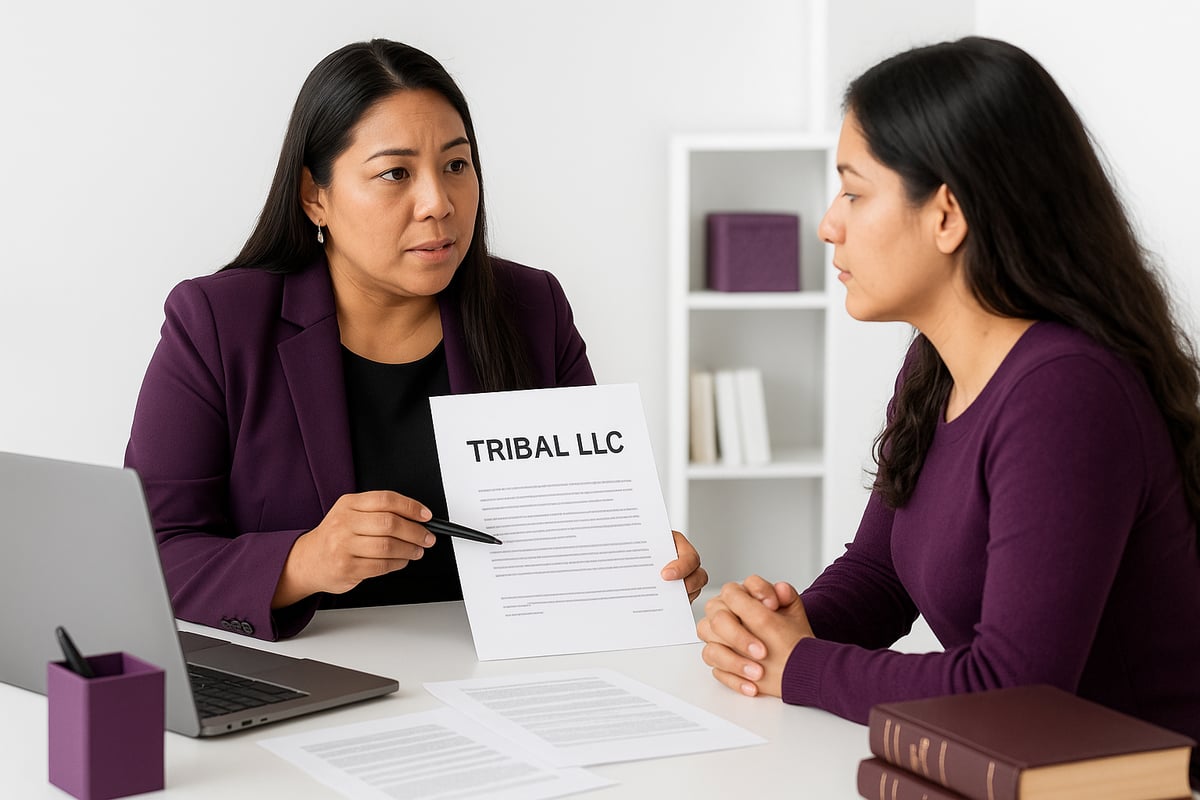
The journey begins with a detailed consultation. You and your tribal llc attorney will clarify your goals, whether you seek asset protection, privacy, or strategic business structuring.
During this phase, your attorney examines your current holdings, potential risks, and long-term objectives. This targeted assessment ensures a Tribal LLC is the right fit for your needs.
Expect your tribal llc attorney to ask about asset types, business activities, and any prior legal challenges. This information shapes the optimal protection strategy.
Step 2: Selecting the Appropriate Tribal Jurisdiction
Choosing the ideal tribal jurisdiction is critical. Each tribal nation offers different business codes, court precedents, and levels of sovereign immunity. Your tribal llc attorney will compare these options to match your assets and risk profile.
Common considerations include:
- Strength of tribal sovereignty
- Business-friendly regulations
- Asset type compatibility
- Court reputation for fairness and efficiency
Your tribal llc attorney will recommend the best jurisdiction to maximize protection and minimize exposure.
Step 3: Entity Formation and Documentation
Once the jurisdiction is selected, your tribal llc attorney prepares all necessary formation documents. This includes articles of organization, resolutions, and required disclosures.
The tribal government’s process can vary, so your attorney will navigate unique application requirements and timelines. For a deeper look at formation steps and how Tribal LLCs operate, see How Tribal LLCs Work.
Typical formation documents:
- Articles of organization
- Registered agent designation
- Member and manager information
Your tribal llc attorney ensures every document is accurate and compliant.
Step 4: Drafting Operating Agreements and Bylaws
Every Tribal LLC needs a robust operating agreement. Your tribal llc attorney customizes this document to address management, membership rights, and succession planning.
Well-drafted agreements define voting rights, profit distribution, and dispute resolution. They also clarify procedures for admitting new members or transferring interests.
A tribal llc attorney’s expertise here is crucial for long-term stability and legal protection.
Step 5: Tax ID, Banking, and Financial Setup
After formation, your tribal llc attorney assists in securing a federal Employer Identification Number (EIN). This step is essential for opening business bank accounts and managing finances.
Your attorney ensures compliance with tribal and federal regulations. They guide you through selecting banks familiar with tribal entities and setting up transparent financial systems.
Proper setup now prevents future compliance issues and streamlines reporting obligations.
Step 6: Registering Assets and Structuring Ownership
With the entity in place, your tribal llc attorney manages the transfer and registration of assets. This may include real estate, intellectual property, or other investments.
Strategies often involve layering multiple entities for enhanced protection. Your attorney coordinates title transfers, updates records, and structures ownership to shield assets from external claims.
Effective structuring with your tribal llc attorney ensures maximum asset security.
Step 7: Final Review and Compliance Checklist
The last step involves a comprehensive review. Your tribal llc attorney examines all documents, confirms registrations, and verifies compliance with annual requirements.
A typical compliance checklist includes:
- Annual filings with the tribal government
- Updated operating agreements
- Ongoing due diligence for regulatory changes
Regular reviews with your tribal llc attorney keep your structure current and your assets protected.
Working with Your Tribal LLC Attorney: Best Practices for Ongoing Success
Building a productive relationship with your tribal llc attorney is essential for long-term asset protection. Open communication is the foundation for success. Clients should feel comfortable sharing their goals and concerns while attorneys provide clear, timely updates on legal matters.
Mutual trust is built on transparency. From the start, clarify the scope of legal services, expected response times, and preferred communication channels. This ensures that both parties understand their roles and responsibilities. Reviewing the unique advantages of tribal LLCs compared to traditional structures can also set the stage for a collaborative approach. For a deeper look at these differences, see Tribal LLCs vs Standard LLCs.
A tribal llc attorney should tailor their guidance to each client’s needs, adapting strategies as the business evolves. Regular check-ins help identify emerging risks or opportunities, creating a partnership that supports ongoing legal success.
Building a Collaborative Attorney-Client Relationship
Establishing a strong working relationship with your tribal llc attorney is a proactive step toward safeguarding your assets. Begin by setting clear expectations for how and when you will communicate. Will you meet quarterly, or only as needed? Agree on these details up front.
Transparency is key. Make sure your tribal llc attorney explains legal concepts in understandable language. Do not hesitate to ask questions or request clarification. Documenting agreements and timelines also prevents misunderstandings.
Best practices include:
- Scheduling regular updates to stay ahead of legal changes
- Using secure communication channels for sensitive information
- Setting realistic expectations for project milestones
A collaborative approach ensures your tribal llc attorney can anticipate challenges and respond quickly, keeping your business interests protected.
Strategic Asset Protection Planning
An experienced tribal llc attorney will periodically review your asset structure. Laws and personal circumstances change, so strategies should evolve as well. Schedule annual or semi-annual reviews to assess risk exposure and confirm that your protections remain robust.
Your tribal llc attorney may recommend integrating additional legal structures, such as trusts, to strengthen asset shielding. They also monitor changes in tribal and federal laws, ensuring your strategy stays current.
Key steps for ongoing asset protection:
- Reassess asset holdings and business activities regularly
- Update operating agreements as needed
- Adjust ownership structures in response to new risks
By working closely with your tribal llc attorney, you maintain a flexible, forward-thinking plan that adapts to changing legal landscapes.
Navigating Litigation and Legal Challenges
If litigation arises, your tribal llc attorney is your first line of defense. They guide you through tribal court proceedings, which often differ from state court processes. Understanding sovereign immunity and its application to tribal LLCs is critical. For more details on this protection, explore Sovereign Immunity in Tribal LLCs.
Your tribal llc attorney will help:
- Prepare documentation and evidence for court
- Develop defense strategies based on tribal law provisions
- Advocate for your interests during negotiations or hearings
A knowledgeable tribal llc attorney draws on experience with both tribal and federal courts, increasing the likelihood of a favorable outcome. Their expertise is vital when facing creditor actions or regulatory challenges.
Ongoing Compliance and Reporting
Maintaining compliance is an ongoing responsibility. Your tribal llc attorney ensures you meet all annual filing and documentation requirements. This includes updating membership records, submitting necessary reports, and monitoring deadlines.
Best practices for compliance:
- Keep detailed, organized records of all business transactions
- Monitor regulatory updates from relevant tribal authorities
- Schedule regular compliance reviews with your attorney
Proactive compliance helps avoid penalties and supports the long-term stability of your business. Your tribal llc attorney provides guidance on adapting to new regulations as they arise.
Leveraging Educational Resources and Continuing Legal Support
Staying informed is crucial for ongoing success. Your tribal llc attorney should offer access to seminars, webinars, and legal updates. These resources empower you to make informed decisions and recognize potential risks early.
Many attorneys provide continuing advisory services for clients exploring new ventures or asset classes. Take advantage of these opportunities to ask questions and receive tailored advice.
By leveraging educational resources and maintaining regular contact with your tribal llc attorney, you build a knowledge base that supports your business growth and legal security.
Trends and Innovations: The Future of Tribal LLCs and Legal Practice
In 2026, the landscape for Tribal LLCs is rapidly evolving, with both opportunities and challenges shaping the path forward. Entrepreneurs and investors are increasingly turning to Tribal LLCs for advanced asset protection, privacy, and strategic flexibility. For those seeking long-term legal security, staying ahead of these trends is essential. A knowledgeable tribal llc attorney is the key to navigating this dynamic environment and capitalizing on new developments.
Growth in Demand for Tribal LLCs and Asset Protection
Interest in Tribal LLCs has surged in recent years, especially among high-net-worth individuals and sophisticated investors. The ability to shield assets from state court judgments, maintain privacy, and access unique legal protections has driven this growth.
Several factors fuel this demand, including increased litigation risks, evolving regulatory scrutiny, and a desire for more robust asset protection structures. Data from industry competitors indicates a marked uptick in Tribal LLC formations since 2025, signaling a broader shift in the asset protection landscape.
For anyone considering this route, working with a tribal llc attorney offers strategic advantages, ensuring that each entity is tailored to current and emerging legal standards.
Technological Advancements in Legal Services
Technology is transforming the way tribal llc attorneys serve clients. Digital platforms now streamline entity management, document drafting, and compliance monitoring. These tools not only make ongoing administration more efficient but also help clients stay ahead of regulatory updates.
AI-powered research tools allow attorneys to quickly identify changes in tribal, federal, and state laws. Automation is reducing administrative overhead, enabling attorneys to focus on strategic planning and client education.
Clients benefit from secure client portals, real-time updates, and digital consultations, all of which make legal services more accessible. A forward-thinking tribal llc attorney leverages these innovations to deliver superior outcomes and peace of mind.
Evolving Strategies in Asset Protection
Modern asset protection strategies increasingly rely on integrating Tribal LLCs with other structures such as trusts, holding companies, and layered entities. This approach enhances both legal protection and operational flexibility.
Privacy is also a growing concern. Tribal LLCs offer limited public disclosure, making them attractive to clients seeking discretion. International asset shielding is becoming more common as investors diversify holdings across jurisdictions.
A tribal llc attorney helps clients navigate these complex arrangements, ensuring that every layer of protection is compliant and effective. Regular reviews and updates are essential to adapting strategies as laws and personal circumstances evolve.
Anticipated Legal and Regulatory Changes
The regulatory environment for Tribal LLCs is in flux, with significant updates expected in the coming years. Recent final rules from the U.S. Treasury confirm that wholly owned Tribal entities share the same tax status as their parent Tribes, exempting them from federal income tax. For a deeper understanding, review the Treasury Finalizes Rules on Tribal Entity Tax Status.
Additionally, the focus on general welfare benefits and tribal corporate entities is prompting new compliance measures and reporting standards. The implications for sovereignty and economic development are substantial, as highlighted in the Treasury Finalizes Historic Rules on General Welfare Exclusion.
A tribal llc attorney must stay informed about these changes to provide accurate advice and avoid costly missteps.
Case Examples and Success Stories
Recent years have produced compelling examples of successful asset protection through Tribal LLCs. Entrepreneurs have shielded real estate portfolios from aggressive creditors, while investors have maintained privacy in high-stakes transactions.
One notable case involved a business owner facing a multi-million dollar lawsuit. Their tribal llc attorney structured layered entities that forced litigation into tribal court, resulting in a favorable outcome and preserved assets.
Such stories demonstrate the value of proactive planning and expert legal guidance. As the environment continues to change, the role of the tribal llc attorney will only grow in importance, helping clients achieve lasting security.
As you consider the evolving legal landscape and the unique advantages of Tribal LLCs for asset protection in 2026, it’s clear that having the right attorney by your side is essential. Whether you’re a real estate investor or an entrepreneur, expert guidance can help you navigate jurisdictional complexities, ensure compliance, and maximize your protection strategies. If you’d like to discuss how these insights apply to your situation or want help forming your own Tribal LLC, I invite you to reach out for a Free Consultation. Let’s work together to secure your legal success.
